
NICB Warns of Increased Cargo Theft in 2025

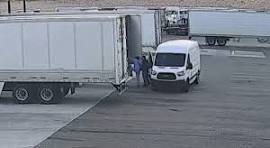
OAK BROOK, IL, June 25, 2025 – The confluence of tariffs, profitability to fund criminal enterprises, enhanced technology to defeat law enforcement, and geopolitical circumstances has led to an increased level of threat to the global supply chain, according to the National Insurance Crime Bureau (NICB), the nation’s leading non-profit association dedicated to preventing insurance fraud and crime.
In the last 18 months, NICB has assisted in more than 240 cargo crime investigations, leading to more than 70 recoveries valued at nearly $40 million. Since 2022, the organization has opened an average of 150 commercial cargo crime cases per year. NICB agents play a crucial role in coordinating with local, state and federal law enforcement agencies, as well as NICB member insurance companies to aid in investigations of organized crime and other bad actors involved in cargo theft.
“Weaknesses in common-use business technologies like voice over internet protocol (VoIP) and GPS, coupled with business email compromises, identity theft, and synthetic identities enable sophisticated criminals to reroute high-value consumer goods such as electronics, medicine, and clothing from their intended destination to the black market,” said NICB President and CEO David J. Glawe. “Bad actors leverage these vulnerabilities, along with economic uncertainty created by ongoing tariff negotiations, for their own profit.”
For the first time, the value of stolen merchandise and estimated loss rose to more than $1 billion in 2023. Last year, cargo crimes increased to an all-time high, up 27% from 2023, according to CargoNet. Annual cargo theft losses are expected to rise another 22% from already historic levels by the end of 2025. The estimated average value of an individual theft is more than $202,000.
Criminals exploit cargo delivery through identity theft, fraudulent pickups, posing as fictitious carriers and cyber-enabled logistics manipulation.
“When manufacturers are forced to account for stolen merchandise, the costs are passed along to the consumer,” Glawe continued. “An accurate picture of cargo crime is a challenge. We are calling on the transportation industry, insurance carriers and law enforcement to collaborate by sharing data around these crimes to help spot patterns that can help find criminals and deter this crime.”
The only way to stop cargo theft is through deterrence.