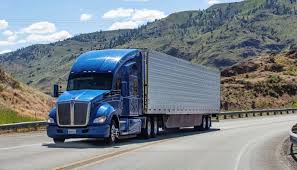
Freight Under Fire: The Explosive Rise of Cargo Theft



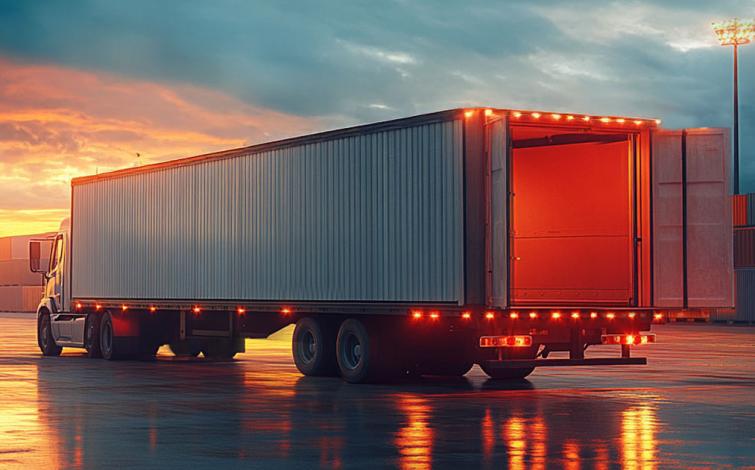
In the shadows of our nation’s supply chains, a dangerous and escalating threat looms: cargo theft.
For years, truckers, businesses, and consumers have experienced the consequences of a surging wave of sophisticated cargo thievery that has enacted significant financial losses and operational disruptions up and down the supply chain.
If left unchecked, this growing crisis will have larger and larger impacts across the economy, leaving everyday Americans to shoulder the burden.
Cargo theft is no longer just a minor nuisance. It has become a criminal enterprise that has resulted in billions of dollars in lost goods. From electronics to clothing to food, nearly every industry has felt the sting.
The stats, unfortunately, speak for themselves:
- Thieves targeting freight shipments cost the American economy up to $35 billion per year.
- Strategic theft has risen 1,500% since the first quarter of 2021.
- The average value per theft is more than $200,000.
And the bad actors show no signs of slowing down. There were 505 cargo theft incidents reported during the first quarter of this year — a 36% increase compared with Q1 2024. And those are just the ones we know about. The actual number is likely much higher.
One of the most alarming aspects is the way in which these criminal operations have become more sophisticated. Thieves are using advanced technology to track shipments, identify routes, and even disrupt communication systems to exploit weaknesses in the supply chain. Whether it is tricking motor carriers or drivers into delivering freight to thieves or striking poorly secured distribution centers, these criminals are taking advantage of any opening they can find.
They engage in straight theft — physically stealing cargo from a shipment through burglary, pilferage, or hijacking —or strategic theft. This involves using fraud and deception to trick shippers, brokers, and carriers into handing loads over to thieves instead of the legitimate receiver. Their methods of cyber deception are ever-evolving, even impersonating the websites of legitimate trucking companies to fool unsuspecting shippers. Due to the remote nature of cyber tactics, it’s become a highly profitable, low-risk, ubiquitous tactic. Directly or indirectly, virtually all trucking companies are victims of cargo theft.
In many cases, these groups also operate seemingly legitimate warehouses and online marketplaces to store and sell stolen goods. In these scenarios, stolen goods are often exported out of the United States, repackaged, and then sold, sometimes for more than market value. Energy drinks are a good example. Outlawed in many countries, they’re stolen from US shippers, smuggled abroad, and sold illegally for a high profit. It’s happening in pockets across the country, but especially in areas near freight hubs and large cities.
Last month, four men in Arizona were busted for stealing $100,000 worth of energy drinks just the day before stealing trailers loaded with $3 million worth of TVs. Police speculate they’re part of a bigger theft ring.