Cargo Theft FBI article

https://www.fbi.gov/investigate/transnational-organized-crime/cargo-theft
Cargo Theft
Cargo theft includes—but is not limited to—theft of goods, chattel, money, or baggage that constitutes, in whole or in part, a commercial freight shipment moving in commerce.
Theft can occur from, but not limited to, the following:
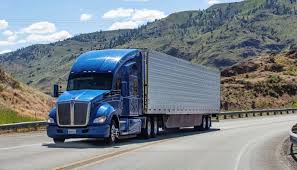
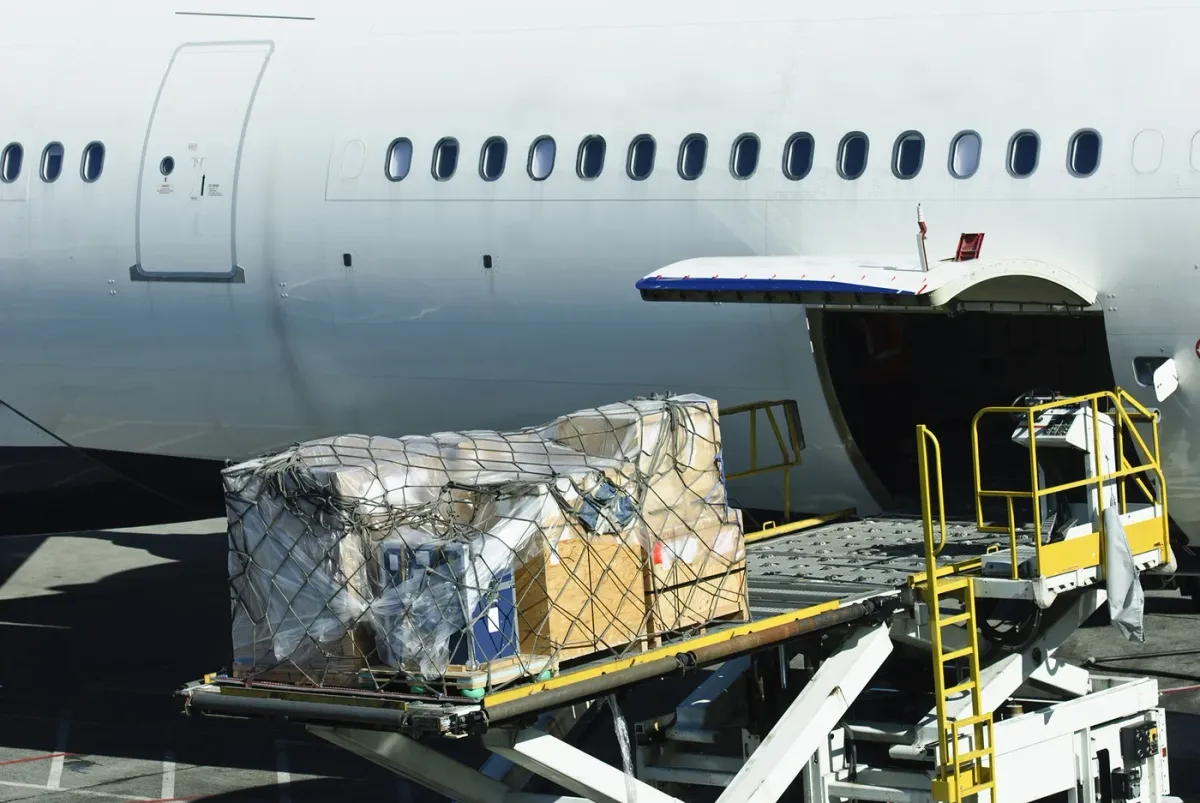
- Methods of transportation: pipeline system, railroad car, motor truck, tank, vessel, aircraft, other vehicle
- Locations: storage facility, station house, platform, depot, wharf, airport, air navigation facility, container freight station, warehouse, freight distribution facility, freight consolidation facility
- Containers: intermodal container, intermodal chassis, trailer
Types of cargo theft
Straight cargo theft occurs when cargo is physically stolen from its current location. Cargo thieves often look for items they can steal and sell quickly. This often occurs at truck stops, parking lots, roadside parking, drop lots, rail yards and other situations where cargo is left unattended.
Strategic cargo theft occurs when thieves incorporate deceptive tactics to commit theft. This type of cargo theft involves the use of fraud to trick shippers, brokers, and carriers into handing loads over to thieves instead of the legitimate carrier. Other current strategic cargo theft trends include identity theft, fictitious pick-ups, account takeovers, double brokering scams, and fraudulent carriers as well as the implementation of a combination of these methods.
Cyber cargo theft occurs when basic types of cyberattacks are used to aid in committing cargo theft. The attacks include phishing emails that install Trojan Horse malware granting access to a company’s systems for thieves to retrieve sensitive data. Thieves then use this information to print out copies of legitimate shipping paperwork they can use to commit fictitious pick-ups.
Pilferage cargo theft occurs when criminals alter the bill of lading and pilfer small amounts off the truck.